Magnetic Building Blocks Market
Segments – by Product Type (Square, Triangle, Round, and Others), Age Group (Toddlers, Preschoolers, and School-aged Children), Distribution Channel (Offline and Online), Material (Plastic, Wood, Metal, and Others), and Region (Asia Pacific, North America, Latin America, Europe, and Middle East & Africa) – Global Industry Analysis, Growth, Share, Size, Trends, an…

Magnetic Building Blocks Market Outlook 2025–2034
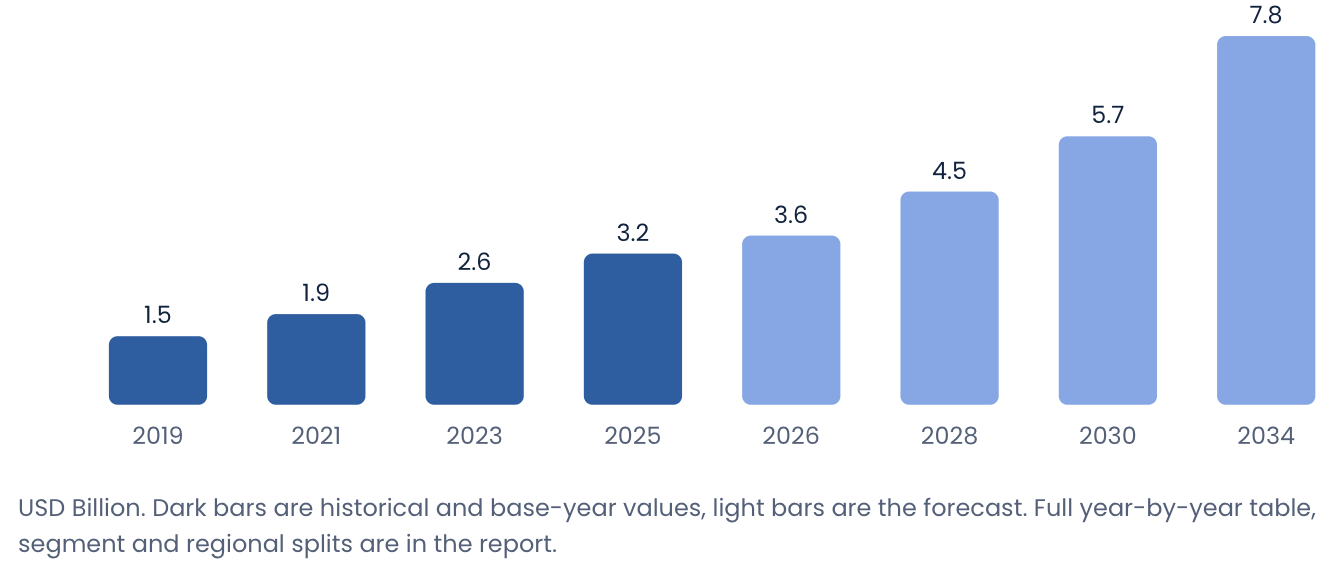
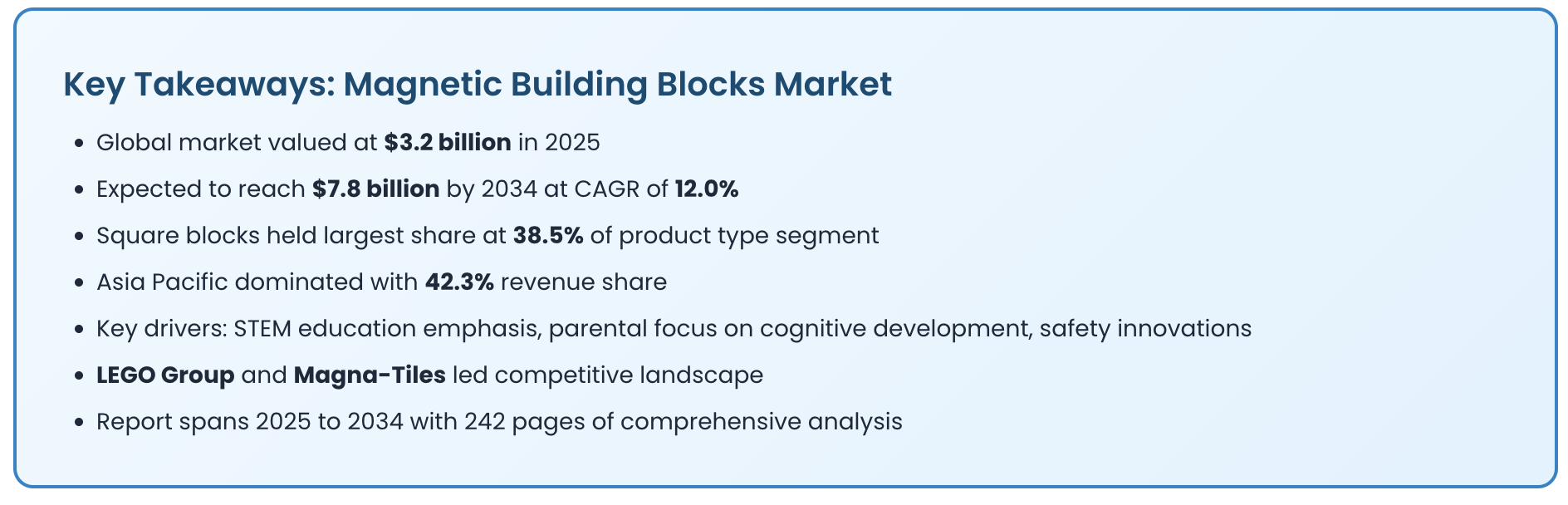
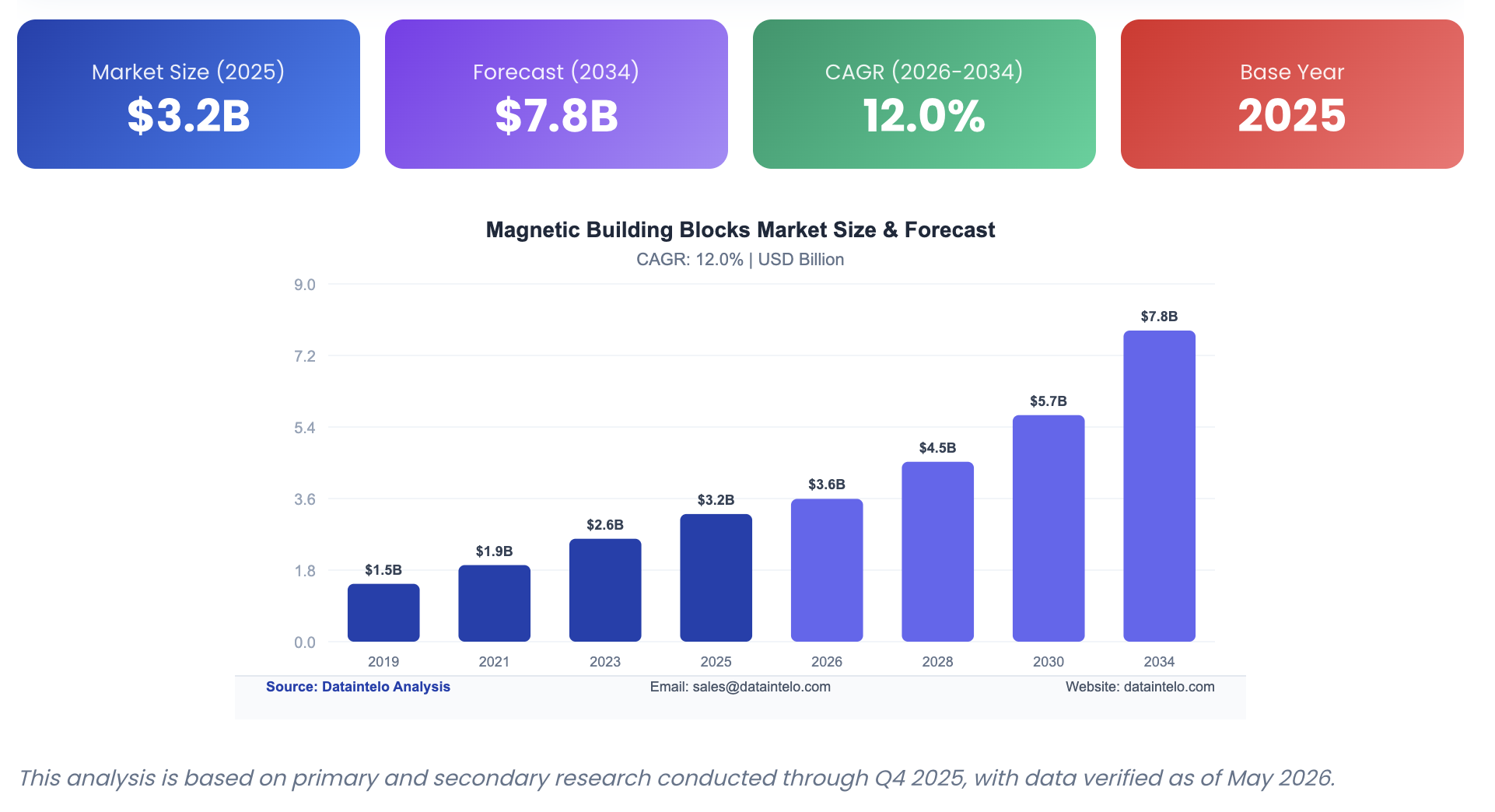
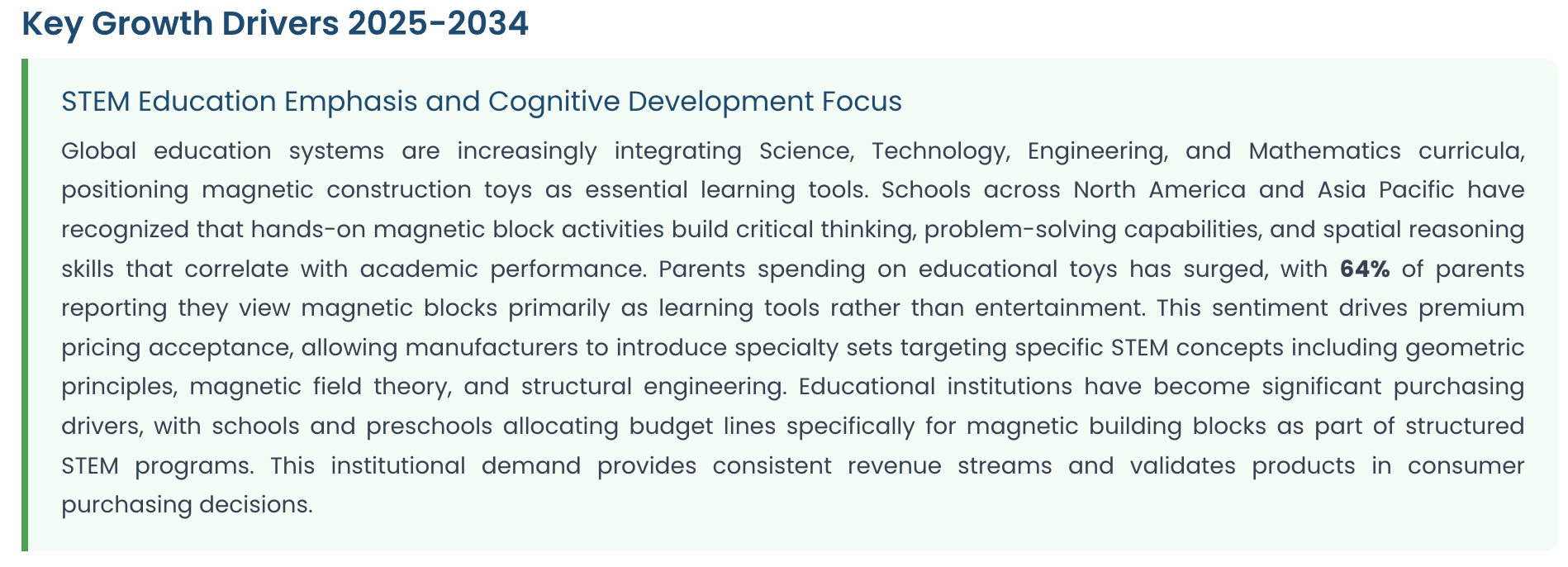
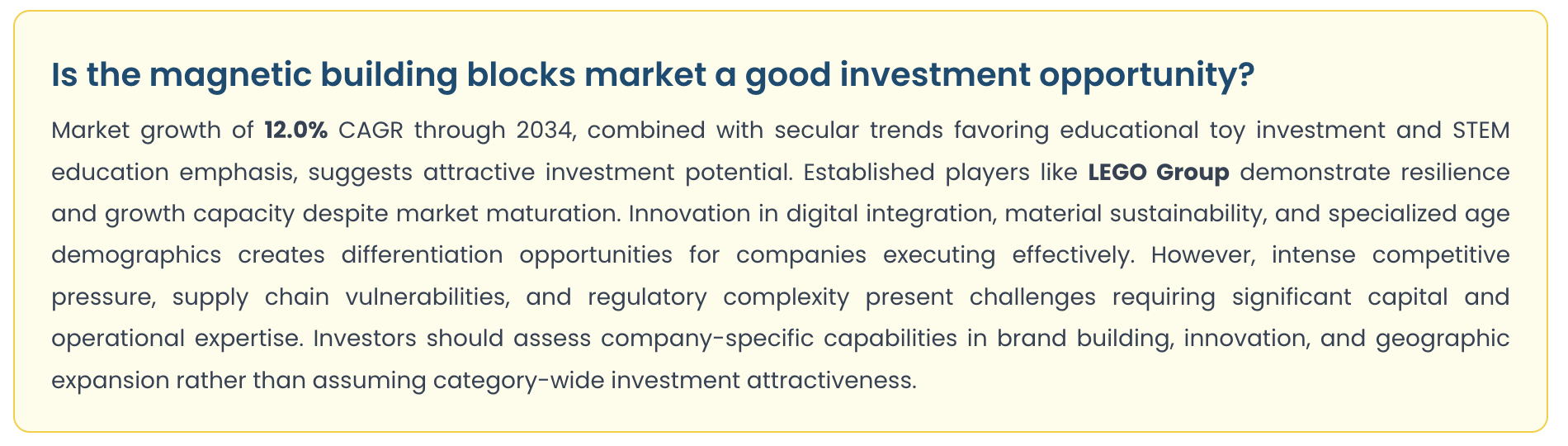
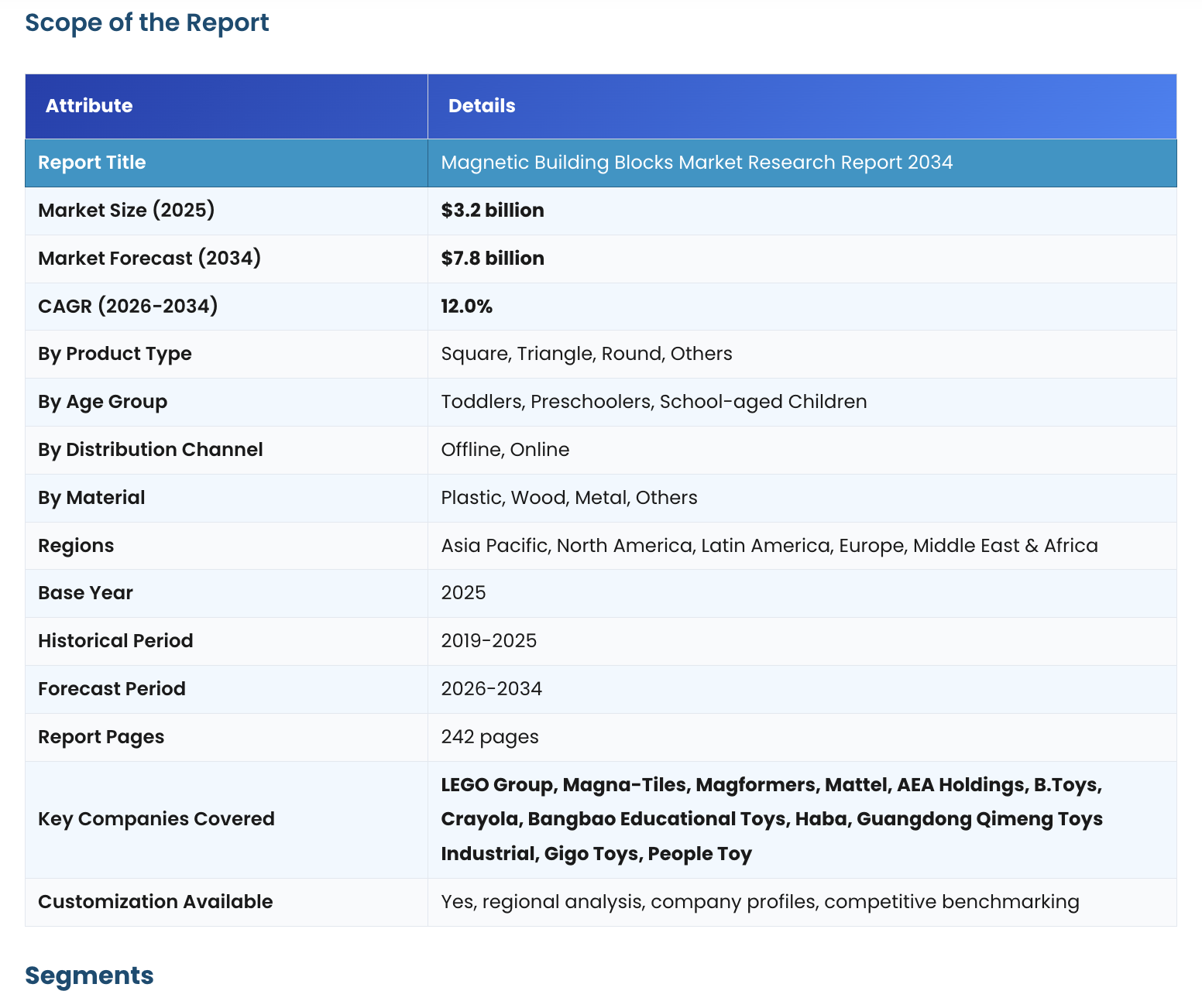
The global Magnetic Building Blocks market is experiencing robust momentum, valued at $3.2 billion in 2025 and projected to reach $7.8 billion by 2034, representing a compound annual growth rate of 12.0%. The sector is being propelled by convergence of multiple factors. Parents increasingly prioritize STEM education, recognizing that magnetic construction toys develop spatial reasoning, engineering concepts, and three-dimensional visualization skills. The market has expanded significantly beyond traditional plastic building sets, with innovative offerings now incorporating eco-friendly materials, advanced magnetic bonding technologies, and designs targeting specific age demographics from toddlers through school-age children. Major brands including Magformers, Magna-Tiles, and AEA Holdings have introduced premium product lines with enhanced durability and educational curricula integration. Regulatory improvements in toy safety standards across North America and Europe have also elevated market confidence, with manufacturers now investing in non-toxic coatings, stronger magnet bonding mechanisms, and compliance certifications. The educational retail sector, combined with growing online distribution through platforms like Amazon and specialty toy retailers, has democratized access to these products, particularly in emerging markets. Simultaneously, the integration of augmented reality experiences and companion mobile applications has created new engagement pathways, enabling children to document their creations and access building challenges. Consumer research indicates that 67% of parents view magnetic construction toys as educational investments rather than entertainment, driving repeat purchases and ecosystem expansion. The sector benefits from rising disposable incomes in Asia Pacific, where childhood development investments are culturally prioritized and toy spending per capita continues to accelerate.
Regional Outlook 2025–2034
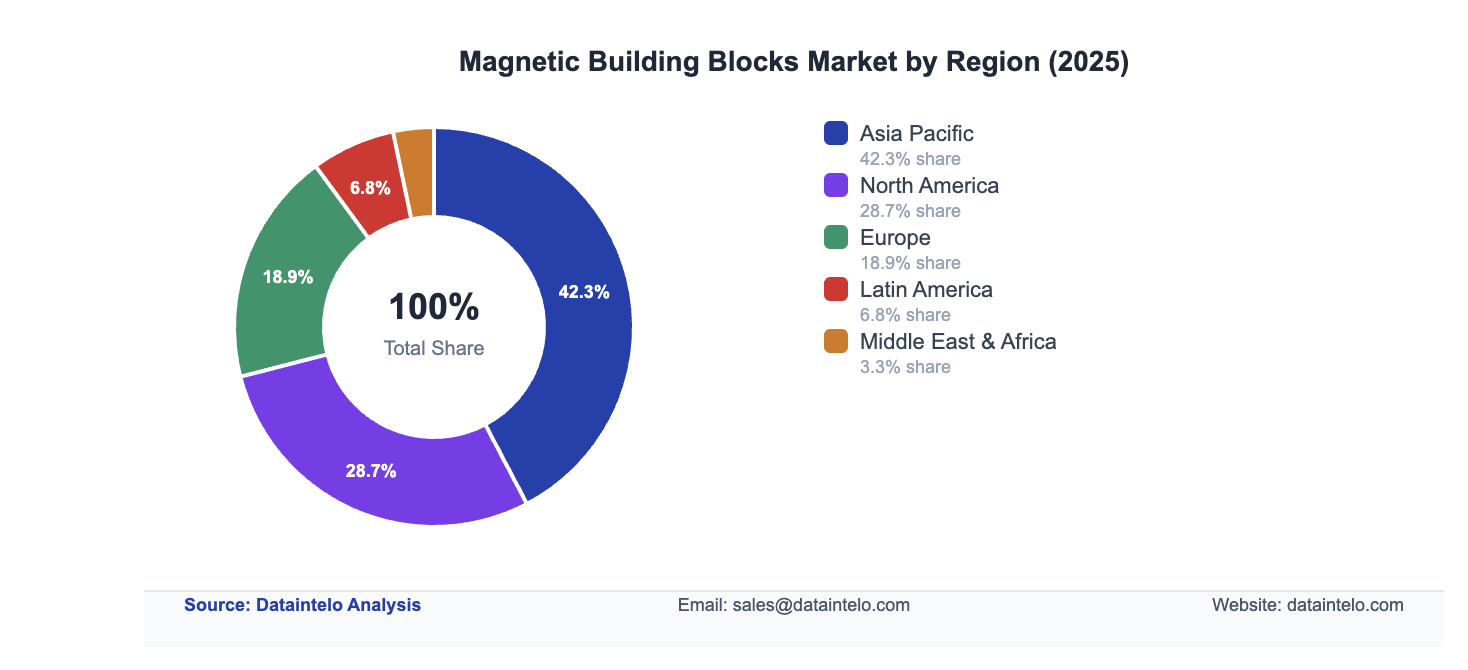
Asia Pacific commands the largest share of the Magnetic Building Blocks market at $1.35 billion in 2025, representing 42.3% of global revenue. This dominance reflects accelerating urbanization in China, India, and Southeast Asia, where middle-class families are increasingly investing in educational toys. Chinese manufacturers including Guangdong Qimeng Toys Industrial and Bangbao Educational Toys have become major suppliers, leveraging cost-effective production while maintaining quality standards that satisfy international buyers. The region benefits from established toy manufacturing ecosystems, efficient supply chains, and growing e-commerce penetration. Government initiatives promoting STEM literacy across schools in China and India have further catalyzed retail adoption, with educational institutions bulk-purchasing magnetic block sets for classroom learning environments. Consumer preferences in Asia Pacific skew toward innovative product formats and premium material combinations, with parents willing to pay premiums for wood and metal hybrid blocks.
North America maintains the second-largest position, holding 28.7% of global market share in 2025. The region’s strength derives from high toy spending per capita, strong parental focus on child development, and robust retail infrastructure across both traditional toy stores and online platforms. LEGO Group and Mattel have established significant presence through franchise partnerships and exclusive retail agreements with major chains. Educational institutions including preschools and kindergarten programs increasingly incorporate magnetic building blocks into their curricula, driving institutional purchases alongside consumer sales. The region’s emphasis on toys meeting established safety standards, ASTM F963 compliance, and non-toxic materials has positioned premium magnetic block manufacturers favorably, as parents demonstrate willingness to invest in established brands with proven safety records.
Europe accounts for 18.9% of the global market, driven by Scandinavian design principles prioritizing sustainable materials and minimalist educational approaches. Central and Western European nations exhibit strong demand for wood and metal construction toys, reflecting cultural values favoring natural materials and open-ended learning. Latin America represents 6.8% of market share, with growth accelerating as middle-class expansion increases toy spending. The Middle East & Africa holds 3.3% of the market, though this segment demonstrates the highest growth potential as retail infrastructure expands and consumer awareness of educational toy benefits increases across Gulf Cooperation Council countries and sub-Saharan Africa.
Magnetic Building Blocks Market by Product Type
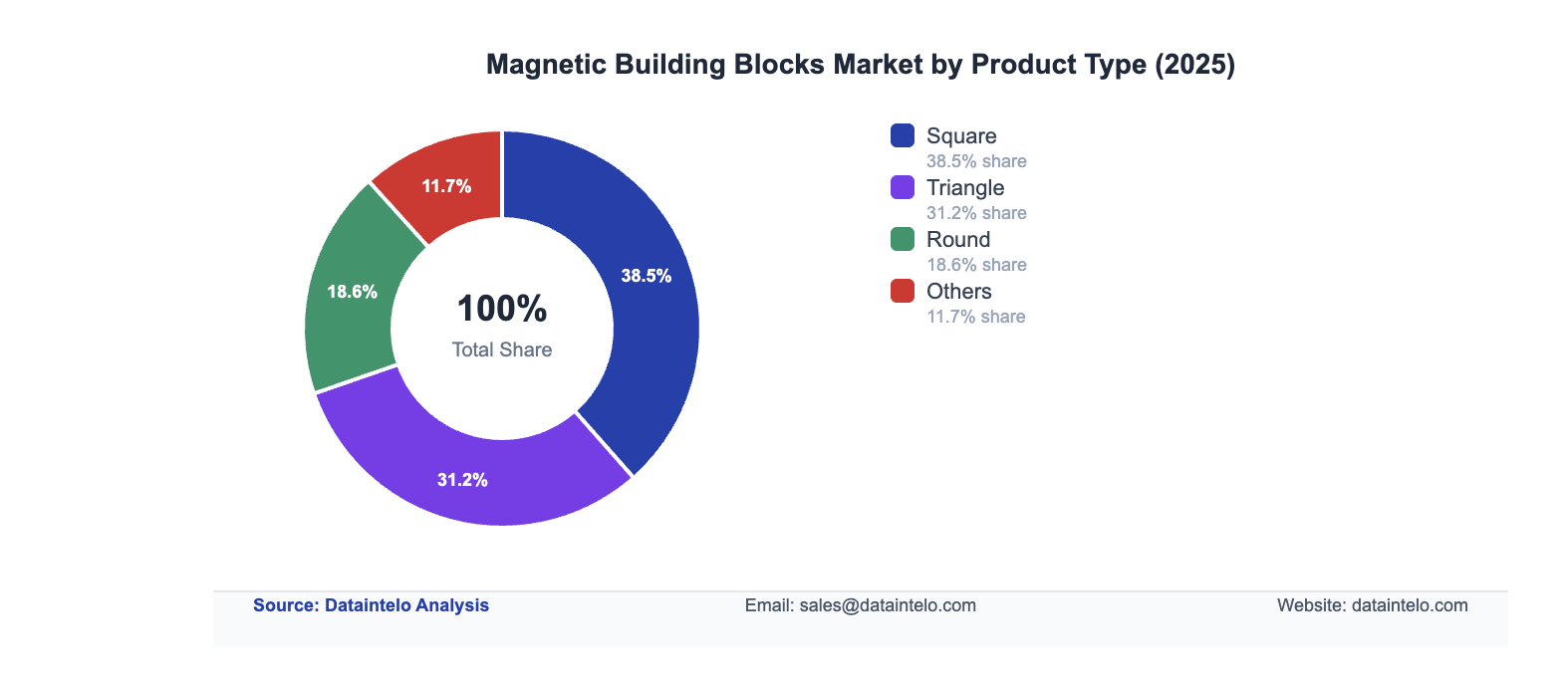
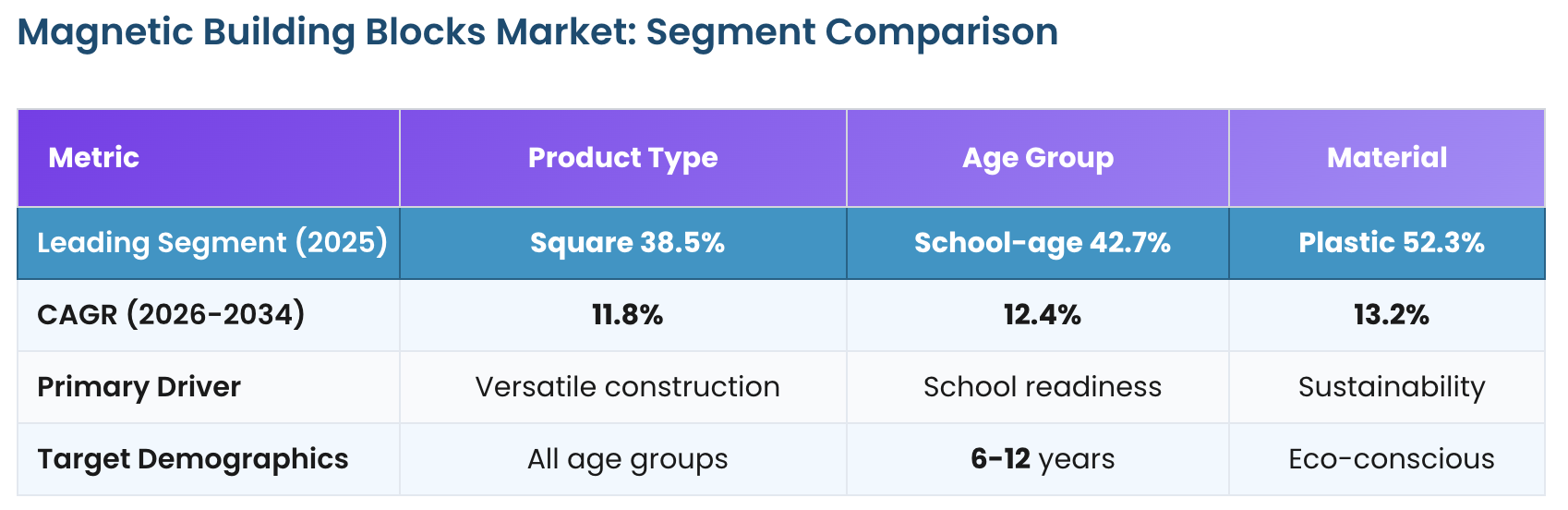
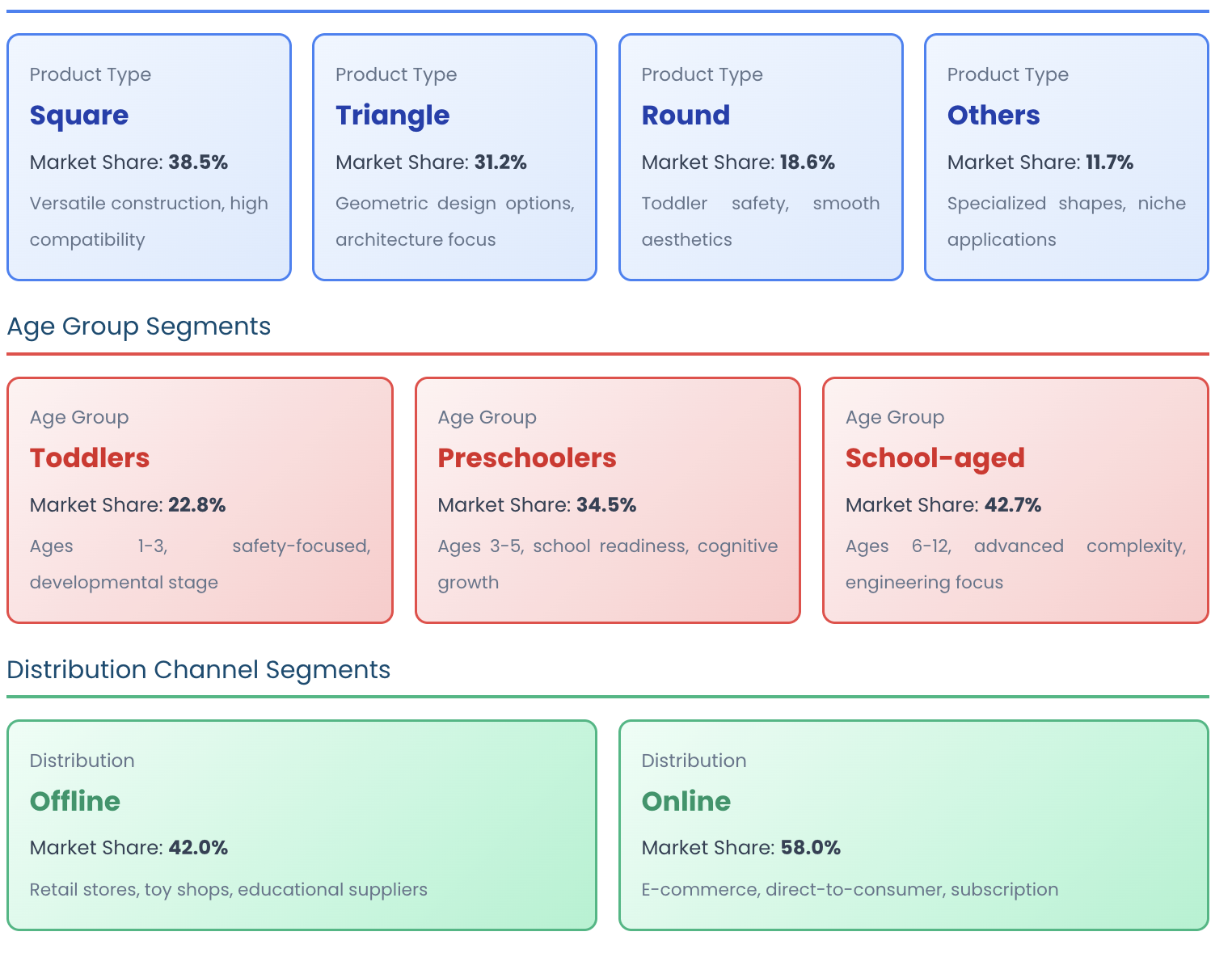
Square magnetic blocks constitute the largest product type segment, commanding 38.5% of the market in 2025. This dominance reflects their versatility in construction scenarios, compatibility with existing building systems, and familiarity among consumers accustomed to traditional cubic block designs. Square blocks enable rapid structure prototyping, facilitate symmetrical building patterns, and provide stable foundations for complex architectural designs. Manufacturers competing in this segment prioritize size standardization ensuring compatibility across product lines and with other magnetic block systems. Triangle-shaped blocks capture 31.2% market share, offering distinctive geometric advantages including roof construction, pyramid formation, and three-dimensional tessellation possibilities. Triangle blocks attract architecture-focused users and consumers seeking to create more sophisticated spatial designs. Round magnetic blocks represent 18.6% of the market, targeting younger children through softer aesthetics and reduced collision risk. Their popularity among toddler age groups reflects parents’ preferences for safer, gentler product forms. Specialized and other product configurations including hexagons, cylinders, and custom shapes account for 11.7% of the segment, serving niche applications including specialty educational programs, professional architecture visualization, and specialized therapeutic uses.
Product type evolution reflects growing consumer demand for versatile construction systems enabling complex structural exploration. LEGO Group’s introduction of magnetic variants complementing traditional interlocking brick systems has expanded addressable markets, enabling hybrid building experiences combining magnetic and mechanical connection methods. Premium manufacturers are releasing limited-edition shape collections, supporting seasonal marketing campaigns and driving repeat purchasing behaviors. The product type landscape continues expanding as manufacturers respond to specific age demographic needs, specialized learning objectives, and emerging play pattern research. Customization options enabling consumers to purchase individual shape types based on design preferences are increasingly common in direct-to-consumer channels, enhancing personalization and consumer satisfaction. Integration of the related Card and Board Games market distribution networks has expanded retail accessibility for specialized magnetic block shapes targeting strategic building and puzzle-solving applications.
Magnetic Building Blocks by Age Group Segment
The toddler age group (typically 1 to 3 years) represents 22.8% of the market, driven by parental focus on safe, developmental-stage-appropriate play. Magnetic blocks designed for toddlers emphasize larger component sizes minimizing choking hazards, softer block edges, and simpler magnetic strength enabling independent assembly without excessive force requirements. Manufacturers including B.Toys and AEA Holdings have specialized extensively in toddler-focused magnetic systems featuring vibrant colors, smooth finishes, and magnetic configurations supporting basic stacking and arrangement activities. Safety certifications including CPSIA compliance and lead-free paint validation are critical product differentiators in this segment, as parents prioritize health protection above additional features. Preschoolers aged 3 to 5 years constitute 34.5% of the market, representing the largest age demographic due to school readiness focus and accelerating cognitive development during this critical developmental window. Products targeting preschoolers introduce more sophisticated spatial challenges, themed building sets tied to recognizable objects, and structured curricula supporting classroom integration. School-aged children aged 6 to 12 years capture 42.7% of the market, reflecting sustained engagement with magnetic blocks and expanding capacity for complex engineering and architectural challenges. This demographic actively pursues advanced building projects, multi-set integration, and competition-based building challenges. Manufacturers recognize school-aged children demonstrate highest willingness for premium product engagement, enabling more sophisticated material compositions and specialized themed sets commanding higher price points.
Distribution Channel Analysis
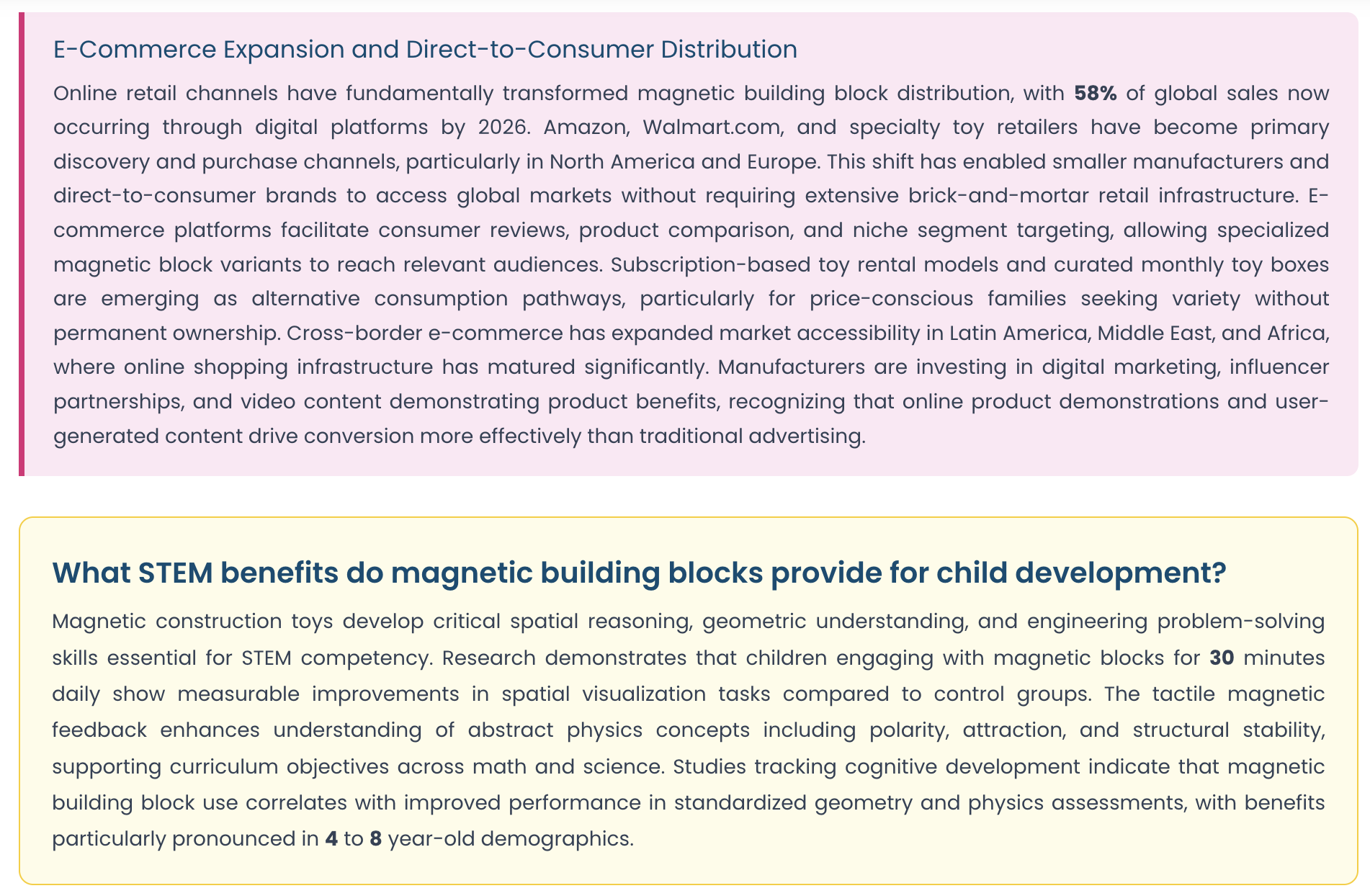
The magnetic building blocks market operates across integrated offline and online distribution channels, collectively representing a unified 100% market presence. Offline retail channels including specialty toy stores, department stores, and educational supply retailers traditionally dominated distribution, though their combined share has contracted to 42% by 2026. Traditional retail maintains significant presence in suburban and rural markets where online infrastructure remains underdeveloped, and among consumers preferring tactile product inspection before purchase. Toy retailers including major chains have adapted through omnichannel strategies, establishing digital storefronts while maintaining physical locations for consumer engagement and product demonstration. Educational institutions procuring magnetic blocks for classroom use frequently leverage offline relationships with curriculum suppliers and established wholesale distributors. Online distribution channels have expanded dramatically, now commanding 58% of total sales through e-commerce platforms, direct-to-consumer websites, and online marketplaces. Amazon and Walmart’s digital operations have become primary discovery channels, particularly for price-conscious consumers seeking comparative product information and competitive pricing. Subscription-based toy distribution services have emerged as specialized online channels, targeting convenience-focused parents seeking curated product selections. Social commerce through Instagram and TikTok is facilitating younger consumer discovery of magnetic blocks through influencer partnerships and viral building videos, particularly among 6 to 12 year-old demographics driving household purchase requests.
Magnetic Building Blocks Market by Material Composition
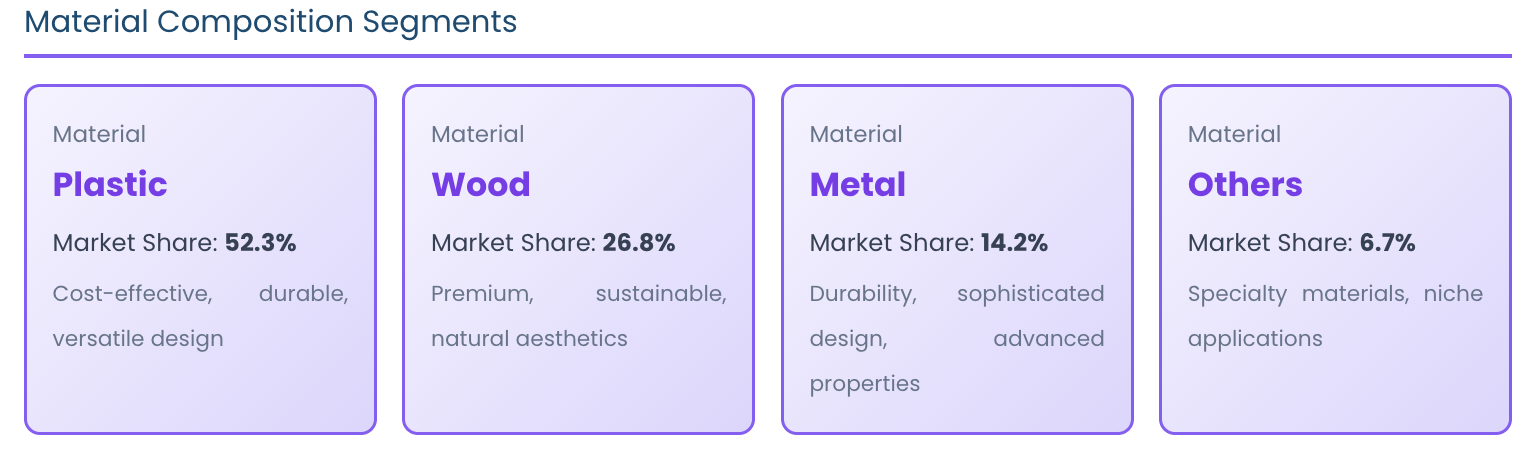
Plastic remains the dominant material in magnetic building blocks, representing 52.3% of market composition in 2025. Plastic magnetic blocks offer cost advantages, durability, and design flexibility enabling diverse color options, shape variations, and magnetic integration technologies. Advanced engineering plastics including acrylonitrile butadiene styrene (ABS) and high-density polyethylene (HDPE) provide superior impact resistance and long-term structural integrity. Manufacturers have invested substantially in toxin-free plastic formulations, non-BPA compositions, and safe magnetic encapsulation within plastic structures. Wood-based magnetic blocks constitute 26.8% of the market, commanding premium pricing through natural material aesthetics and perceived health benefits. Sustainably sourced wood combines with rare-earth magnets, creating hybrid systems emphasizing environmental responsibility and minimalist design philosophies particularly appealing to European and North American consumers. Metal component magnetic blocks represent 14.2% of the market, incorporating steel, aluminum, and brass elements for enhanced durability, aesthetic sophistication, and advanced magnetic properties. Hybrid wood-metal compositions appeal to adult collectors and professional architectural visualization users. Specialized and other materials including cork, rubber, and biodegradable polymers account for 6.7% of the market, serving niche segments emphasizing sustainability, sensory engagement, and therapeutic applications.
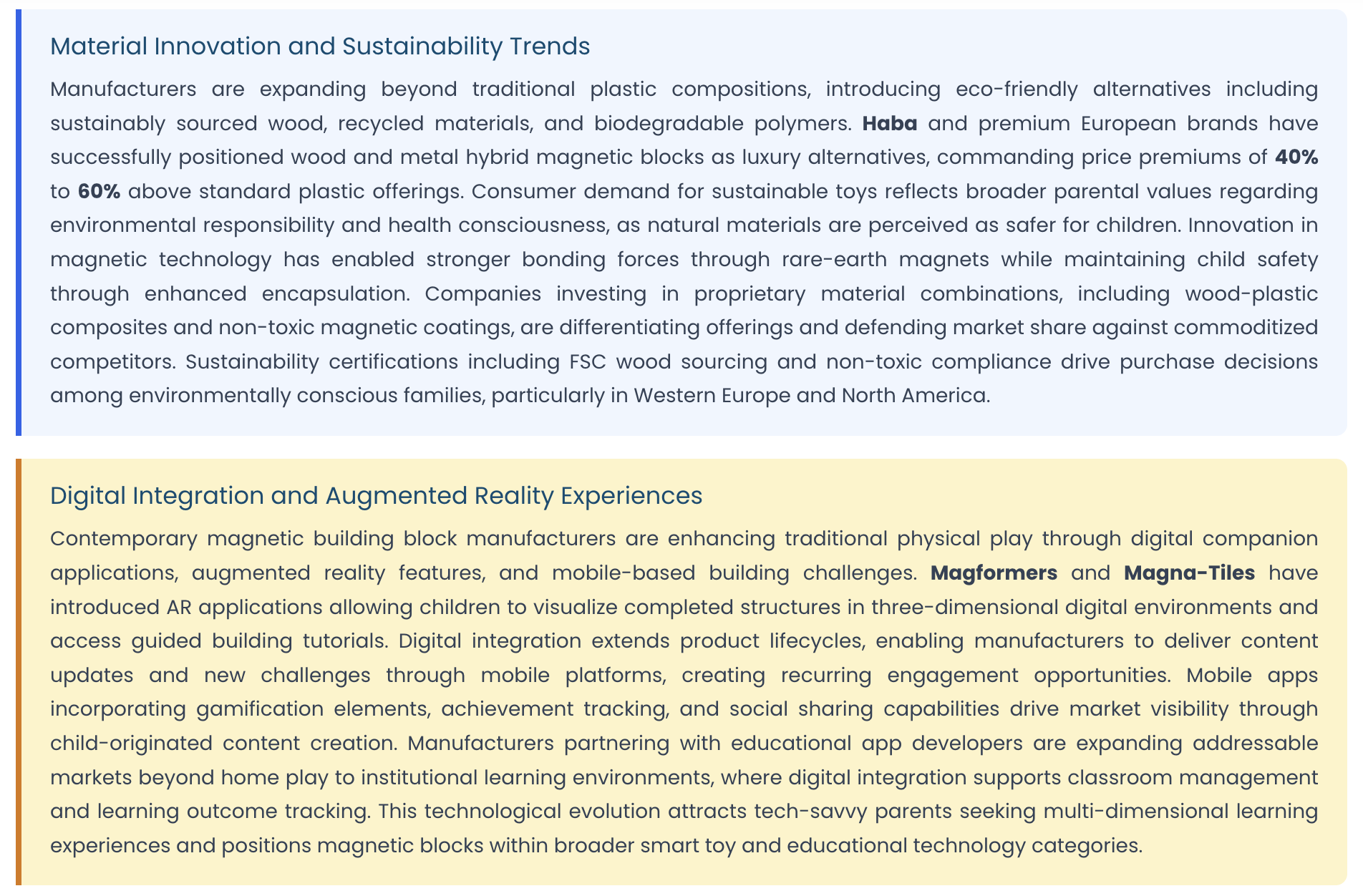
Material selection significantly influences product positioning, pricing strategy, and target demographic appeal. Magna-Tiles and premium brands have successfully leveraged plastic-based formulations with superior color retention and translucent designs creating light-play experiences during construction. Wood-focused manufacturers including Haba have cultivated premium market positioning, emphasizing natural material benefits and environmental stewardship. Material innovation continues advancing, with manufacturers exploring bioplastic compositions, recycled material integration, and novel composite structures. The emerging Immersive Simulator market development suggests future opportunities for material innovations that integrate sensory feedback mechanisms and responsive surface textures within magnetic blocks. Consumer preferences increasingly favor transparency regarding material sourcing, manufacturing practices, and lifecycle environmental impacts, creating differentiation opportunities for companies demonstrating supply chain sustainability commitment.

Magnetic Building Blocks Market Opportunities 2025-2034
Significant expansion opportunities exist within emerging market regions experiencing rapid economic development and rising consumer spending on child development. Latin America, Middle East, and Africa represent underpenetrated markets where expanding middle-class populations and improving retail infrastructure create favorable conditions for market growth. Manufacturers establishing regional distribution partnerships and tailoring products to local cultural preferences can capture substantial market share during these markets’ growth trajectories. Educational institution partnerships present systematic opportunities, as school curricula worldwide increasingly emphasize STEM learning objectives. Developing comprehensive educational programs, teacher training resources, and classroom integration support systems positions manufacturers as educational partners rather than toy suppliers, creating institutional purchasing momentum. The therapeutic and special education segment represents underexploited opportunities, with occupational therapists and special education professionals recognizing magnetic blocks’ benefits for children with developmental challenges, sensory processing needs, and fine motor skill deficits. Creating specialized product lines and professional resources targeting special education markets could unlock significant niche revenue. Subscription-based toy rental models and curated monthly boxes represent emerging business models addressing environmental sustainability concerns and consumer preference for variety without permanent ownership. Companies pioneering subscription services combining magnetic blocks with complementary educational toys can develop recurring revenue streams and establish ongoing consumer relationships.
Advanced digital integration opportunities include developing sophisticated augmented reality experiences, artificial intelligence powered building instruction systems, and virtual construction challenges accessible through mobile platforms. Partnering with educational technology companies to integrate magnetic blocks into comprehensive learning ecosystems creates comprehensive value propositions appealing to schools and institutions investing in digital transformation. Professional market expansion beyond consumer demographics represents untapped potential, as architects, industrial designers, and space planners recognize magnetic blocks’ utility for rapid prototyping and spatial visualization. Creating professional-grade magnetic systems with enhanced precision, advanced building capabilities, and data visualization integration could establish entirely new market segments. The integration potential with emerging eTextbooks and Multimedia in Higher Education market suggests future opportunities for universities and technical schools utilizing magnetic blocks within advanced engineering and architecture curricula. Sustainability-focused product innovation, including fully biodegradable magnetic systems and circular economy business models enabling product refurbishment and recycling, positions manufacturers favorably among environmentally conscious consumers and institutions.
Magnetic Building Blocks Market Threats and Challenges 2025-2034
Intensifying competitive pressure from low-cost manufacturers particularly in Asia creates pricing pressures and margin compression across the industry. Proliferation of generic plastic magnetic block products and unbranded alternatives reduces differentiation and consumer brand loyalty, requiring established companies to invest heavily in innovation and brand building to maintain premium positioning. Supply chain vulnerabilities particularly regarding rare-earth magnet sourcing present operational risks, as magnetic material availability and pricing remain subject to geopolitical tensions, regulatory changes, and resource scarcity. Substitution threats from digital entertainment, gaming consoles, and screen-based educational applications continue competing for children’s recreational time and parental discretionary spending. Parents increasingly concerned about excessive screen exposure may favor traditional toys; however, the rapid proliferation of high-quality gaming and digital learning experiences presents substantial competition. Safety regulation evolution creates ongoing compliance challenges, requiring manufacturers to continuously update formulations, testing protocols, and certifications to meet emerging standards across diverse global markets. Product recall incidents within the toy industry create consumer confidence challenges and regulatory scrutiny that can rapidly escalate costs and damage brand reputation. Declining birth rates in developed markets, particularly Japan, South Korea, and Western Europe, reduce addressable consumer populations in historically profitable regions. While emerging market growth offsets some developed market contraction, the demographic shift requires manufacturers to expand geographic reach or diversify into adjacent market segments supporting educational institutions and special populations.
Magnetic Building Blocks Competitive Landscape 2025-2034
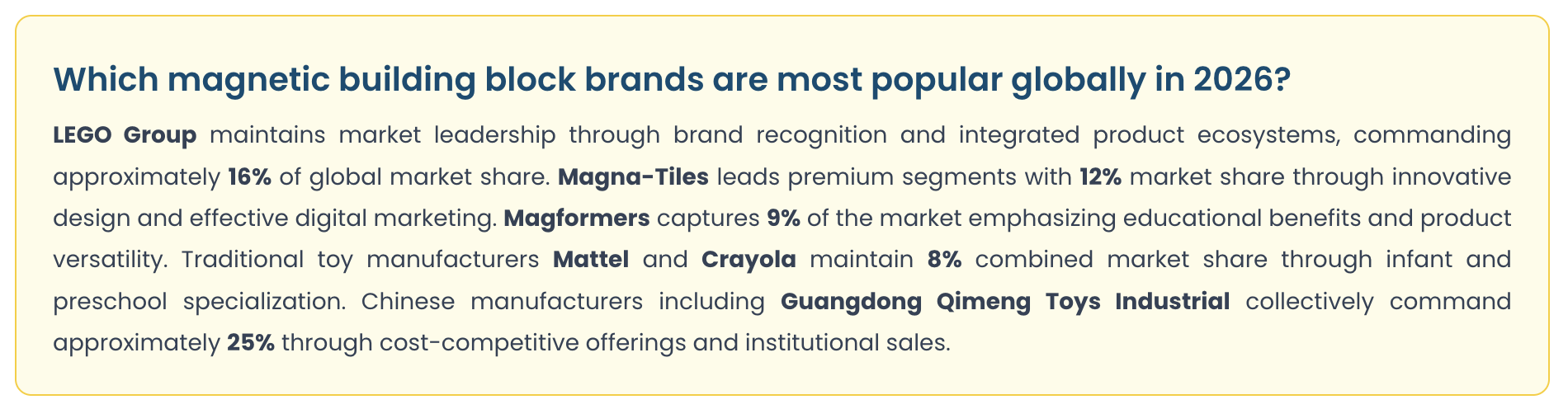
The competitive landscape encompasses diverse competitors ranging from established multinational toy manufacturers to specialized magnetic block innovators and regional producers. Market structure reflects moderate concentration, with leading companies collectively controlling approximately 35% of global market share while fragmented regional and specialized competitors maintain significant presence. LEGO Group exercises substantial competitive influence through brand recognition, distribution networks, and capacity to integrate magnetic block innovations into established product ecosystems. The company’s expansion into magnetic systems complements core interlocking brick offerings, enabling cross-selling opportunities and ecosystem lock-in effects. Mattel participates through Fisher-Price branded infant and preschool magnetic blocks targeting early childhood demographics. These established toy manufacturers leverage existing retail relationships, consumer brand trust, and supply chain sophistication to maintain competitive positions despite specialized competitor innovations. Magna-Tiles and Magformers represent specialized innovators dominating premium segments through product differentiation, advanced marketing, and direct-to-consumer distribution strategies. These companies have established strong brand positioning emphasizing educational benefits and design sophistication. AEA Holdings, B.Toys, and Crayola maintain competitive positions within specific age demographics or distribution channels, leveraging brand heritage and consumer loyalty.
Asian manufacturers including Guangdong Qimeng Toys Industrial and Bangbao Educational Toys compete primarily on cost efficiency and manufacturing scale, servicing price-conscious consumers and institutional buyers. These competitors maintain significant margin advantages through optimized production processes and access to low-cost labor, though they face brand recognition challenges and quality perception barriers in premium markets. Gigo Toys competes through innovative robotics integration, combining magnetic building systems with motorized components and programmable elements. Competitive dynamics are intensifying as established manufacturers introduce premium offerings addressing sustainability and advanced material preferences. Haba and European specialty manufacturers differentiate through wood-based systems, Scandinavian design principles, and educational philosophy alignment. The competitive environment increasingly emphasizes innovation, particularly digital integration, material advancement, and specialized niche product development. Companies successfully navigating competitive pressures invest substantially in research and development, brand marketing, and consumer engagement strategies. Market consolidation remains probable, as successful innovators attract acquisition interest from multinational toy companies seeking to enhance product portfolios and accelerate market expansion. Smaller specialized competitors may face pressure to consolidate or become acquisition targets as competitive intensity and capital requirements increase.
Key Company Strategic Positioning and Market Initiatives
LEGO Group is strategically integrating magnetic technologies into traditional brick systems while expanding sustainability commitments through eco-friendly material development. The company invests substantially in digital experiences, augmented reality applications, and online community building, leveraging accumulated consumer relationships and brand heritage. LEGO’s acquisition strategy and partnership initiatives with educational technology providers position the company as comprehensive learning ecosystem developer rather than purely product manufacturer. Magna-Tiles focuses on premium market positioning through innovative design, professional brand partnerships, and influencer marketing within parenting and education communities. The company’s investment in transparent magnetic panels creating light-play experiences differentiates offerings and justifies premium pricing. Magformers emphasizes educational curricula development and partnership with schools, positioning products within formalized STEM learning environments. Strategic geographic expansion into Asian markets and institutional sales channels drives growth beyond North American and European consumer markets. Mattel leverages established toy portfolio, retail relationships, and distribution infrastructure to introduce infant and preschool magnetic offerings, targeting early childhood education market expansion.
Specialized manufacturers including Haba pursue premium niche positioning through sustainable materials, educational philosophy alignment, and European market focus. Haba’s investments in wooden magnetic systems and pedagogical partnerships with Montessori and Waldorf educational philosophies establish differentiation within quality-conscious, values-aligned consumer segments. AEA Holdings and B.Toys maintain strategic focus on infant and toddler safety, developing specialized product lines addressing age-appropriate developmental needs. Asian manufacturers including Guangdong Qimeng Toys Industrial pursue market expansion through institutional sales channels, developing comprehensive curricula support materials for schools and educational institutions. These companies are also investing in quality improvements and certification advancement to compete in premium market segments traditionally dominated by Western manufacturers. Gigo Toys pursues differentiation through robotics integration and motorized component combinations, appealing to older children and STEM enthusiasts seeking advanced construction capabilities. The competitive strategies reflect broader market segmentation, with companies targeting specific demographics, geographic regions, price points, and application contexts. Success increasingly depends on companies’ ability to navigate rapid technological change, emerging consumer preferences regarding sustainability and educational value, and dynamic competitive dynamics.
Magnetic Building Blocks Market: Detailed Segment Analysis
Product Type Segments
Competitive Landscape
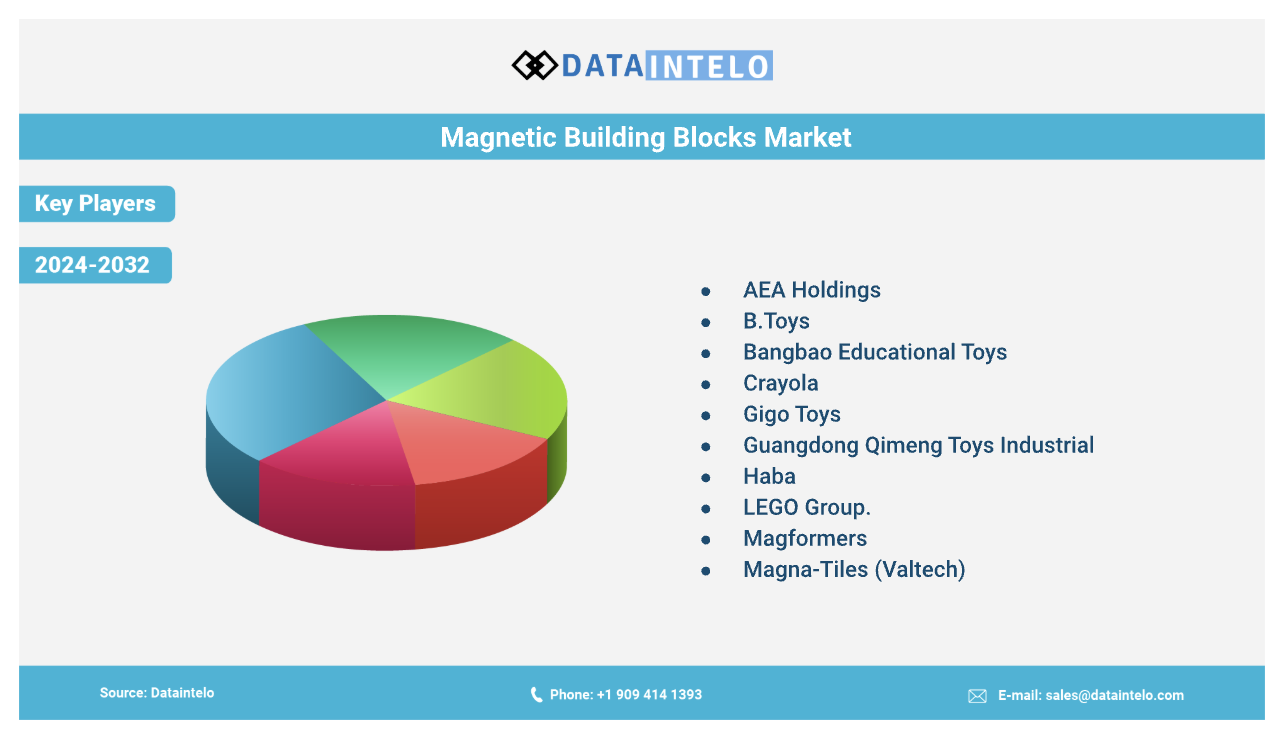
Key players competing in the global magnetic building blocks market are AEA Holdings; B.Toys; Bangbao Educational Toys; Crayola; Gigo Toys; Guangdong Qimeng Toys Industrial; Haba; Lego; Magformers; Magna-Tiles (Valtech); Mattel; and People Toy.
These companies adopt development strategies including mergers, acquisitions, partnerships, collaboration, product launches, and production expansion to expand their consumer base globally. For instance,
- In September 2023, Crayola, known for its crayons and other art supplies, partnered with educational toy maker, CreateOn, for a new collection of magnetic tiles featuring bold and colorful designs. The collection includes a variety of magnetic tile construction sets with different patterns as well as tiles that kids draw on directly.